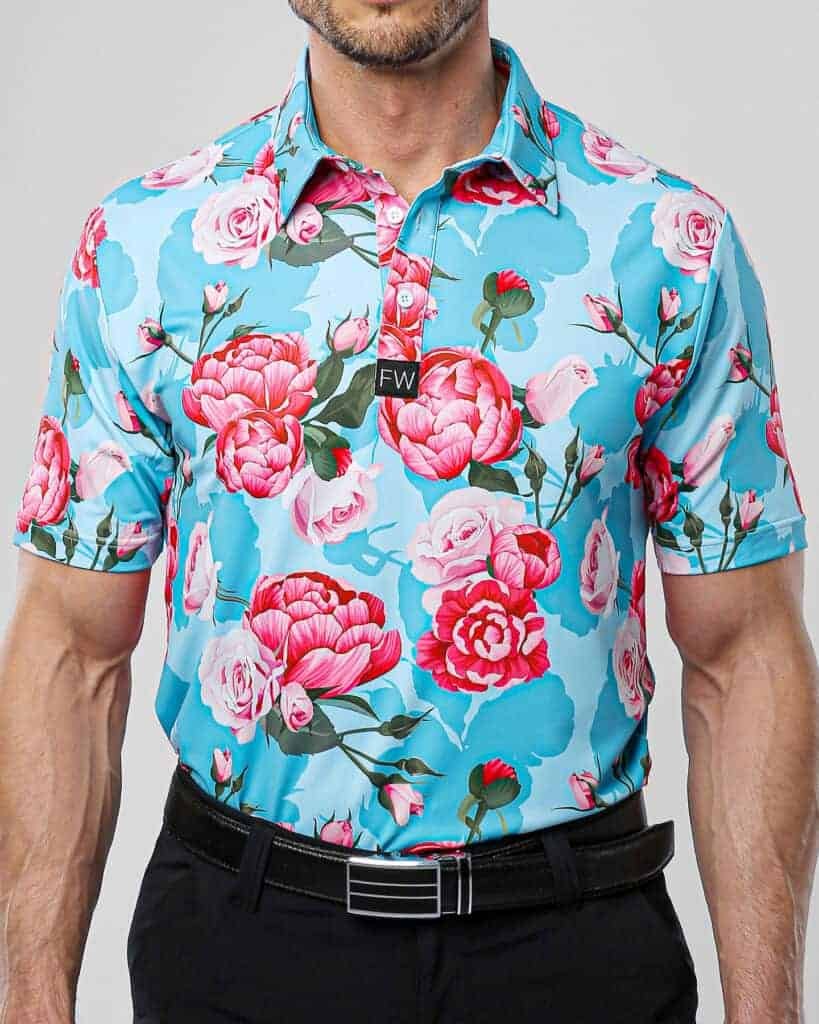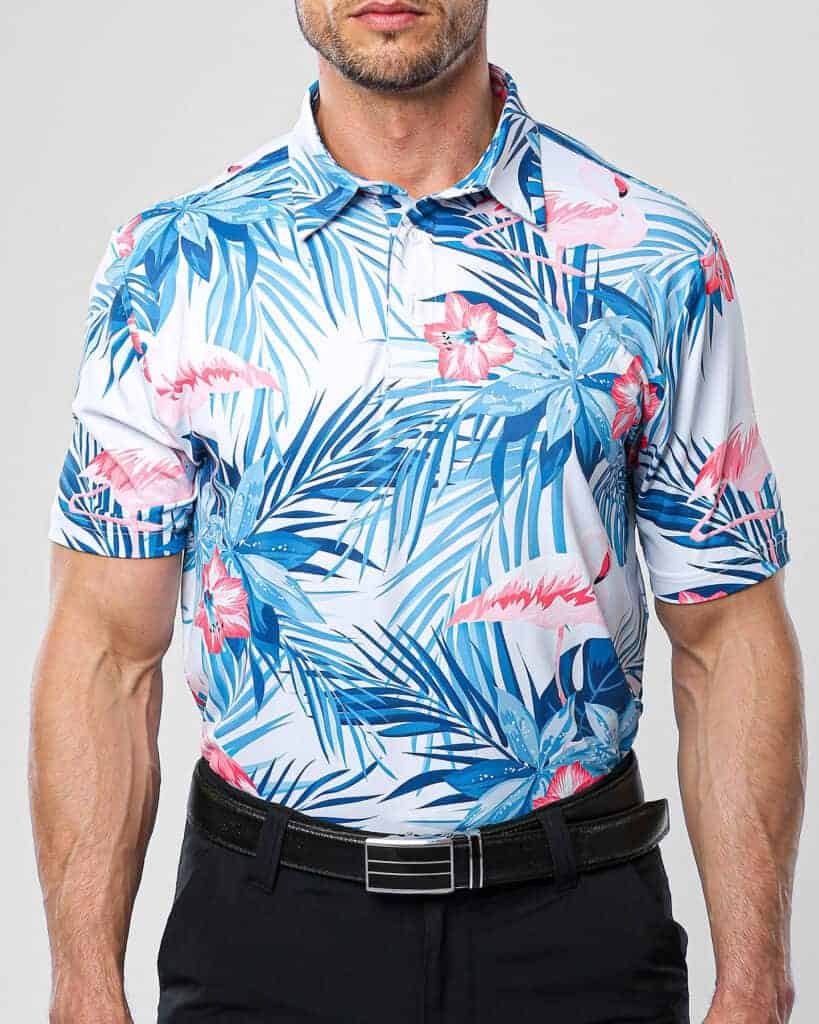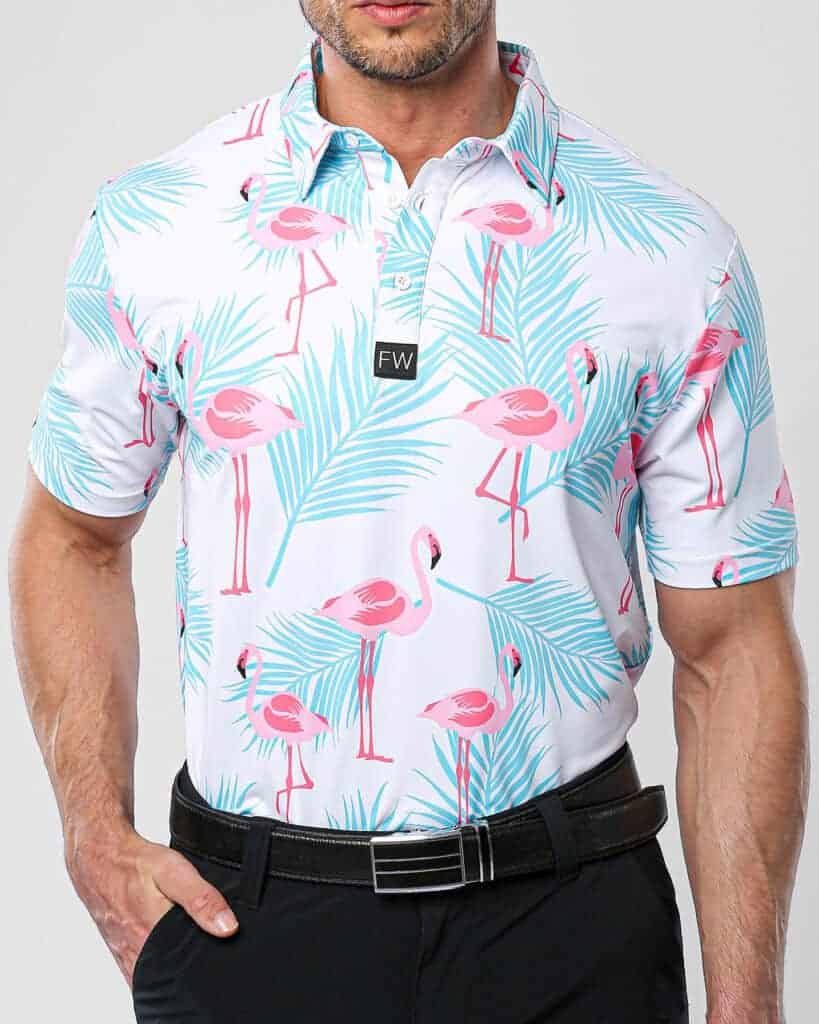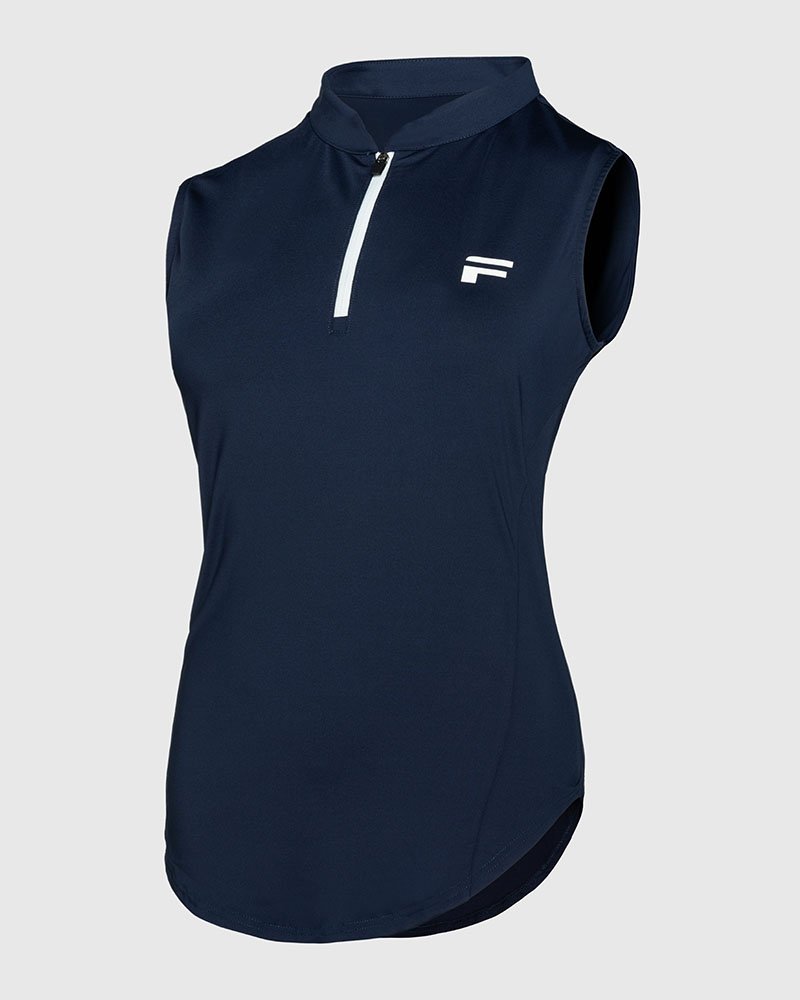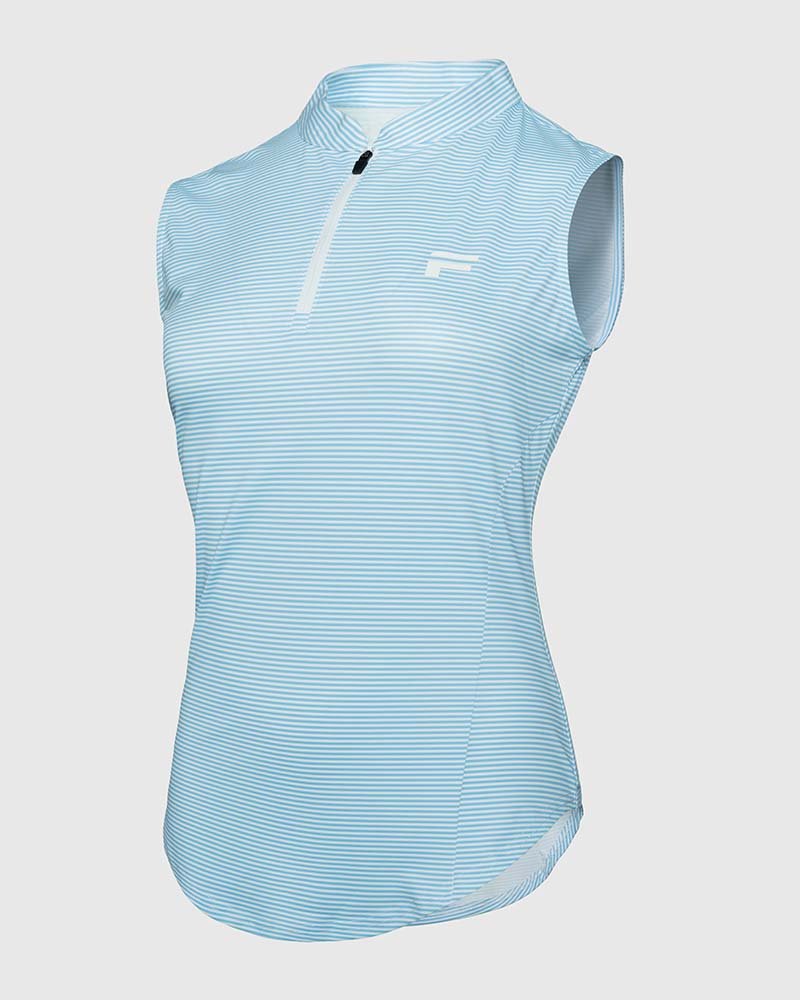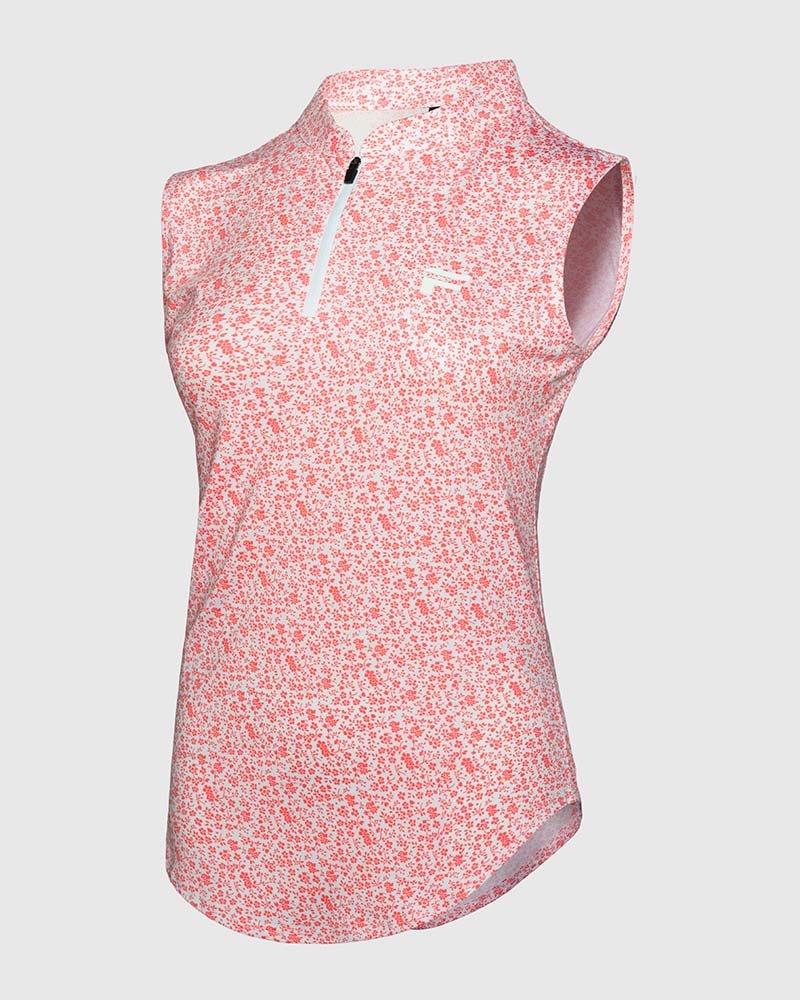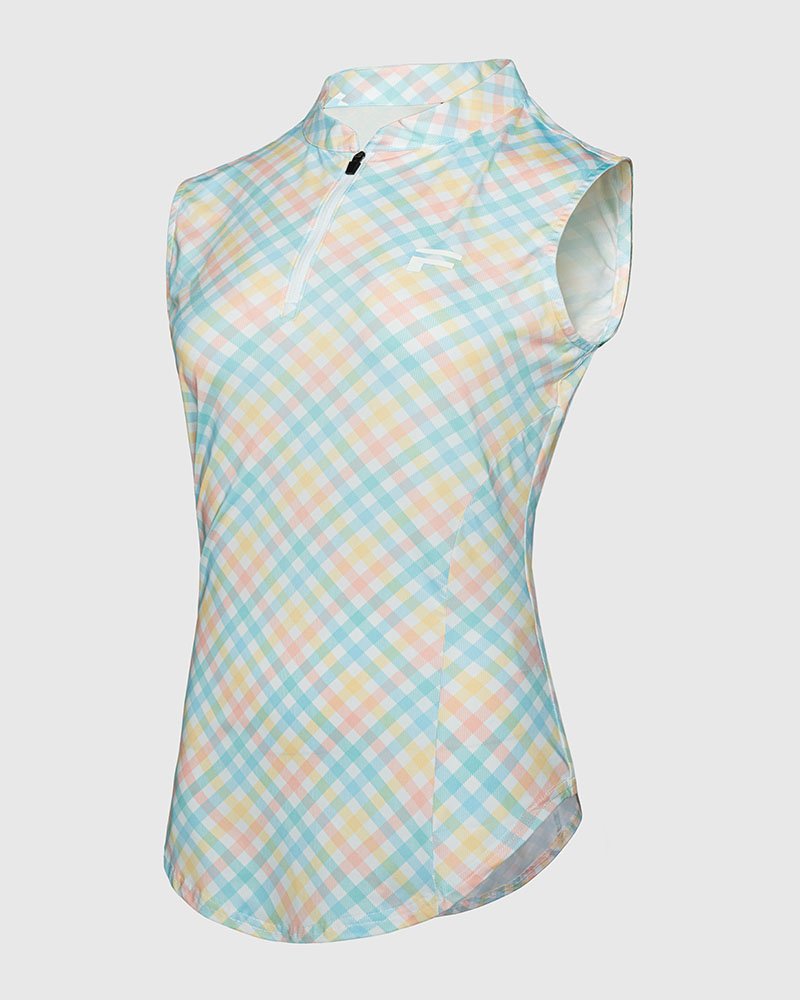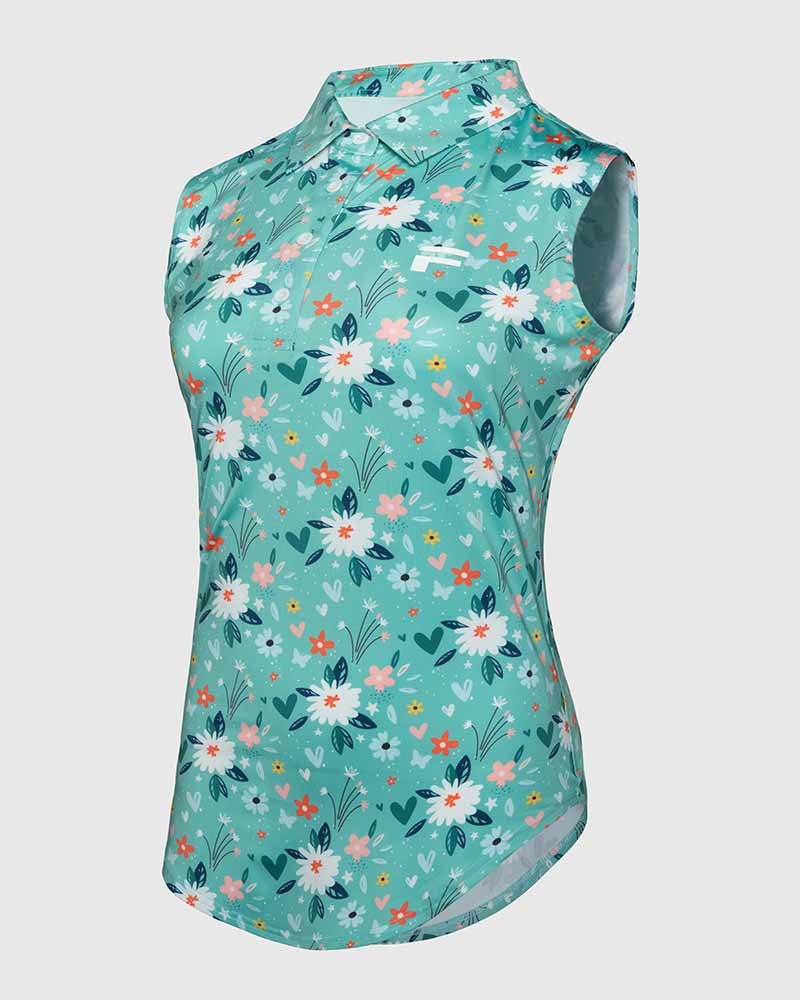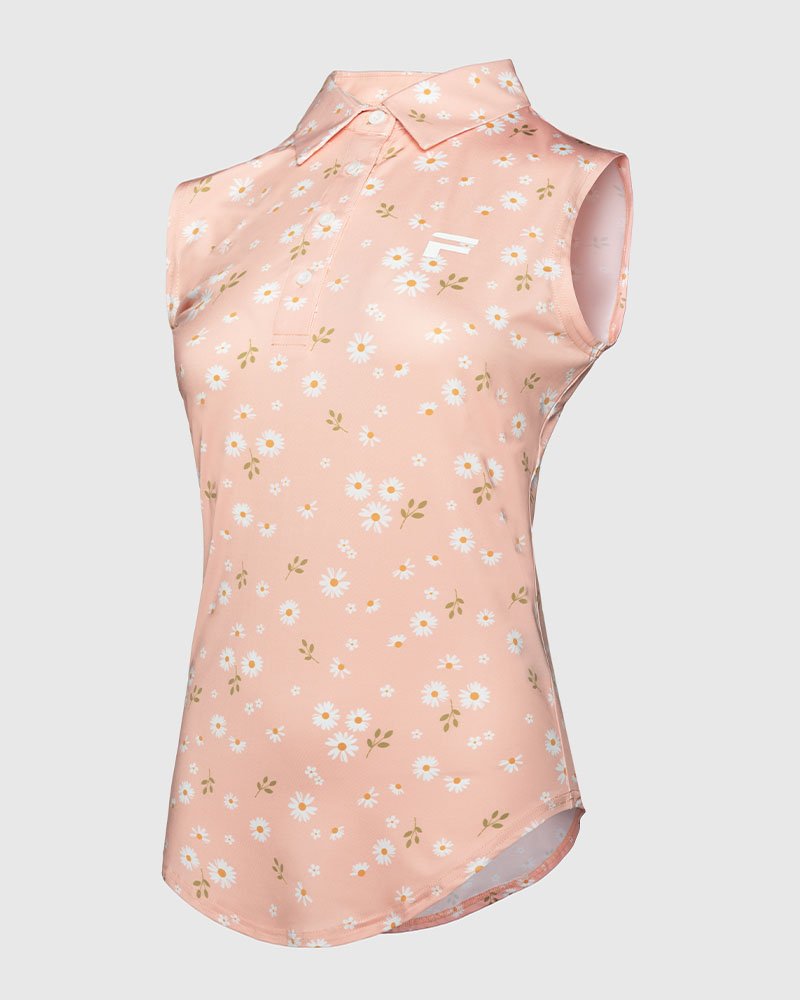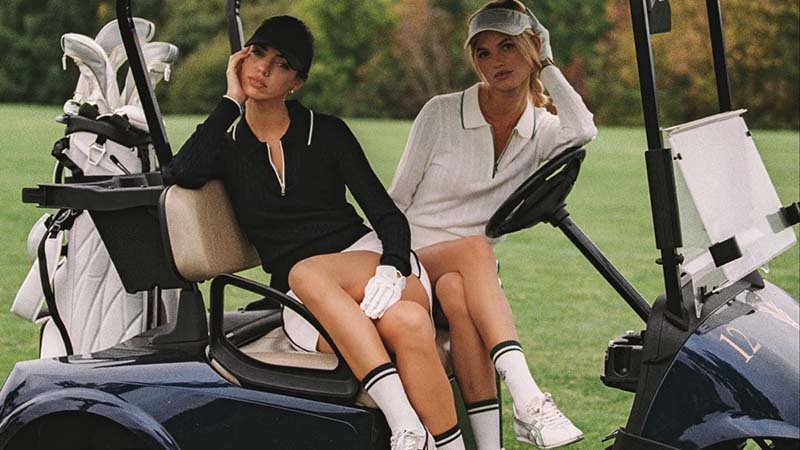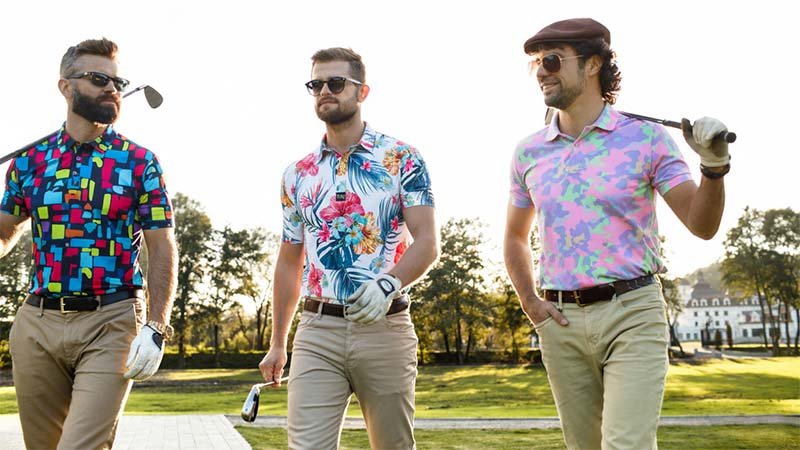
Designing custom golf shirts usually involves fabric selection, fit development, color planning, logo placement, decoration method choice, sampling, and bulk production coordination. For most projects, brands start with product positioning, then create a tech pack, review samples, confirm sizing and visual details, and move into mass production with a manufacturer.
Compared with basic promotional polos, custom golf polo shirts need to balance comfort, movement, moisture management, brand image, and production cost. A well-planned design process helps reduce sampling mistakes, improve product consistency, and make future reorders easier.
This guide explains how to design golf shirts for brands, teams, clubs, and events, including fabric options, fit choices, logo placement, printing and embroidery methods, sample development, and common mistakes to avoid.
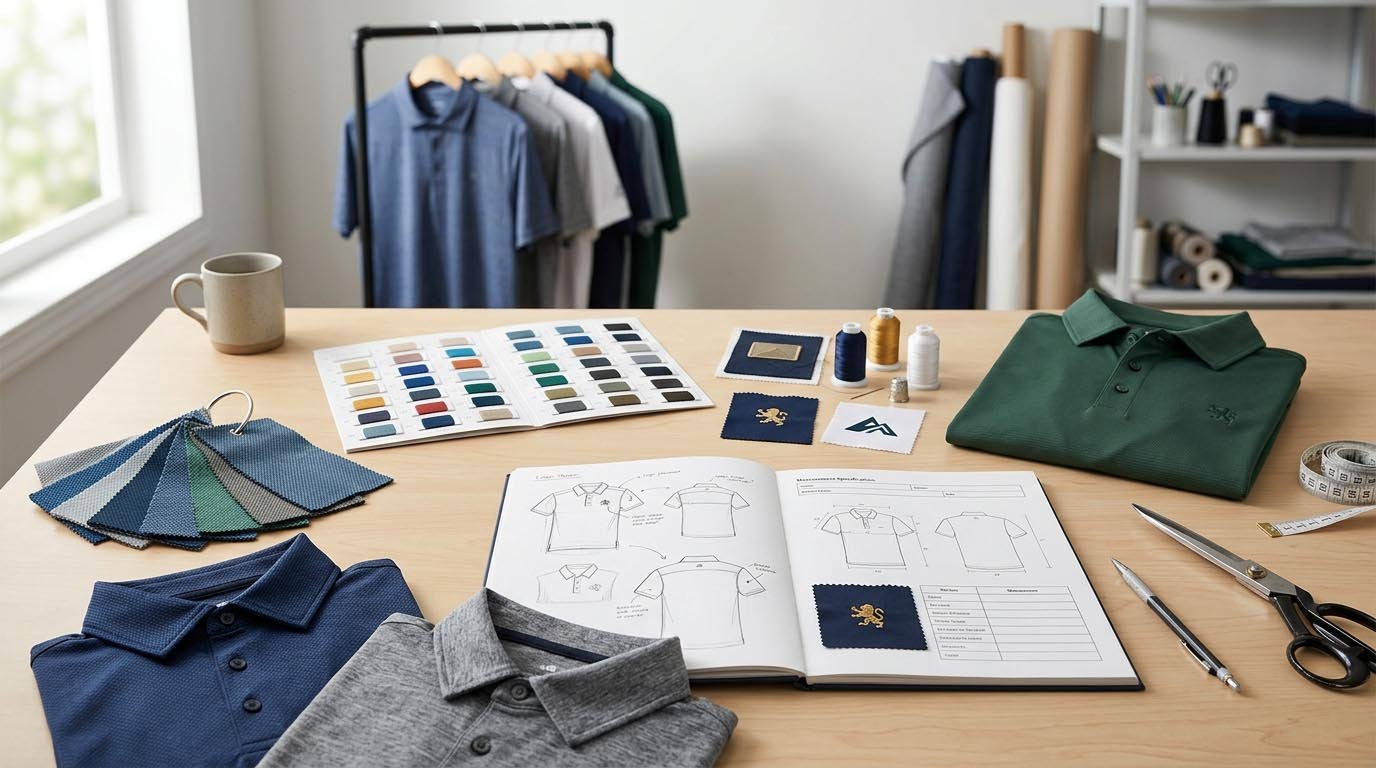
Quick Answers: Custom Golf Shirt Design
How do you design your own golf shirts?
Most projects start with defining the target customer, selecting fabric, choosing fit, confirming colors and logo placement, preparing a tech pack, developing samples, and approving production details before bulk manufacturing begins.
What fabric is best for golf shirts?
For many modern golf polos, polyester or polyester-spandex blends are the most common choice because they offer moisture-wicking performance, stretch, shape retention, and easier care.
What is the MOQ for custom golf shirts?
MOQ depends on the level of customization, fabric sourcing, and decoration method. Many manufacturers require several hundred pieces per design, while some offer lower MOQs for simpler projects or new brands.
Should I use embroidery or printing for golf shirt logos?
Embroidery is often chosen for small chest logos and premium branding, while screen printing, heat transfer, or sublimation are better for larger graphics, more complex artwork, or all-over patterns.
How long does it take to make custom golf shirts?
A typical project can take 4 to 6 weeks or longer, depending on tech pack readiness, sample revisions, material availability, order volume, and production schedule.
Custom Golf Shirt Design Process at a Glance
The table below shows the typical stages involved in designing and producing custom golf polo shirts.
| Stage | Main Tasks | Typical Time | Main Risks |
|---|---|---|---|
| Product Planning | Define target market, price range, style direction | 3-5 days | Unclear positioning |
| Fabric and Fit Selection | Choose material, weight, stretch, cut, sizing | 3-7 days | Wrong comfort or performance level |
| Visual Design | Confirm colors, logo placement, trims, details | 3-5 days | Overdesigned layout |
| Tech Pack Preparation | Finalize measurements, artwork, material notes | 3-5 days | Missing production details |
| Sample Development | Create first sample for review | 7-14 days | Fit and color mismatch |
| Sample Revision | Adjust sizing, artwork, placement, construction | 5-10 days | Repeated changes |
| Bulk Production | Fabric sourcing, cutting, sewing, decoration, packing | 14-30 days | Quality inconsistency |
| Final Inspection and Shipping | Check goods, labels, quantities, carton marks | 3-7 days | Packaging or shipment errors |
Why Custom Golf Shirt Design Matters
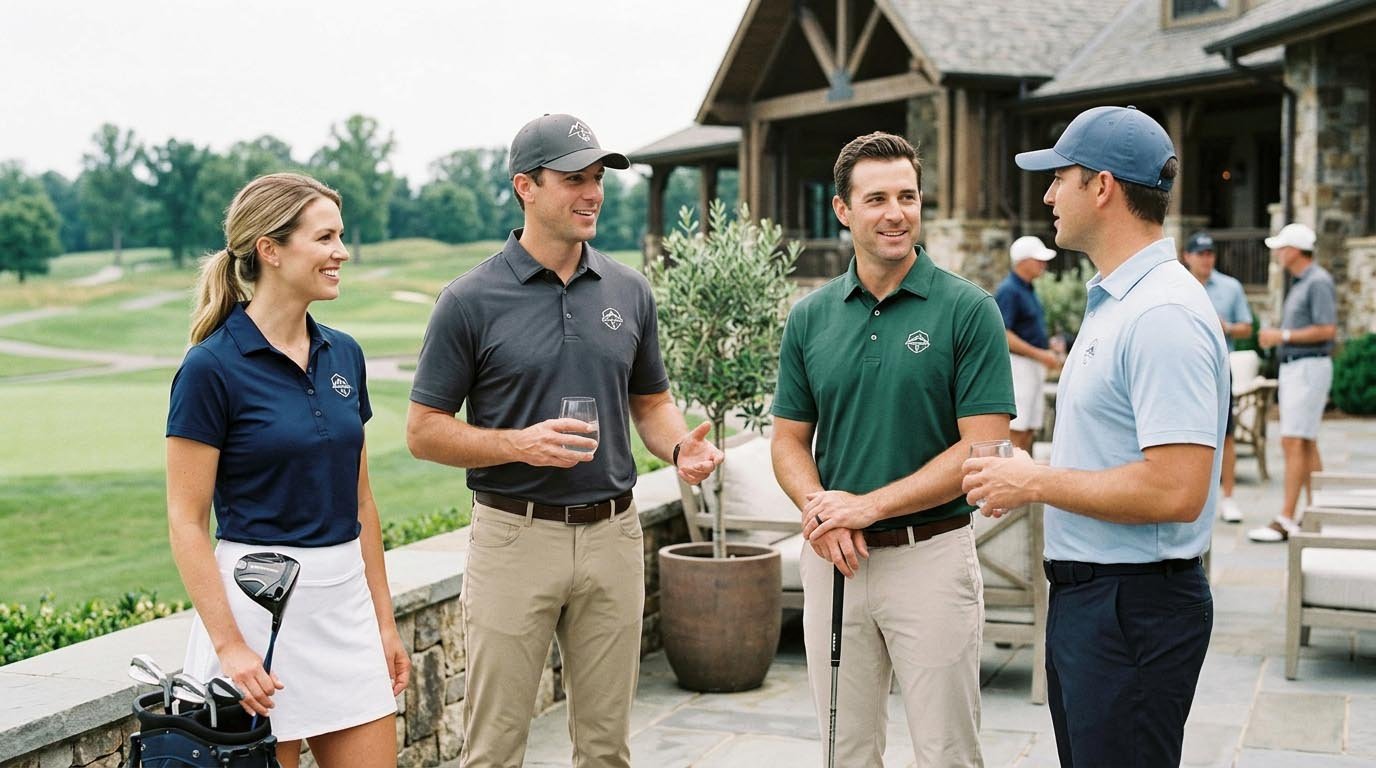
Custom golf shirts are not only functional apparel. They also shape how a brand, team, club, or event is perceived.
A well-designed golf shirt can help with:
- brand recognition
- team consistency
- event presentation
- customer retention
- product differentiation
For apparel brands, custom design helps create a more recognizable product line. For clubs and tournaments, it helps create a more professional and unified appearance. For corporate events, custom golf polos often work as both uniform and promotional item.
If the design looks generic, it is harder to stand out. If the design is too complicated, it may become difficult to wear, expensive to produce, or less appealing to a wider customer group. The best golf shirt designs usually balance wearability, identity, and production practicality.
Step 1: Define the Purpose of Your Golf Shirts
Before selecting fabric or colors, decide what the shirts are for.
Common project types include:
- branded retail collections
- golf club uniforms
- teamwear
- tournament shirts
- corporate golf event apparel
- resort or pro shop merchandise
Key questions to answer first
- Who will wear the shirt?
- Is the product for performance play, lifestyle wear, or both?
- Is the design aimed at men, women, youth, or mixed sizing?
- What price range should the final product fit?
- Is the style classic, athletic, modern, or promotional?
- Will the shirt need a premium feel or a budget-friendly structure?
A clear purpose makes later decisions easier, especially when choosing fit, fabric, and decoration method.
Step 2: Choose the Right Fabric for Custom Golf Shirts
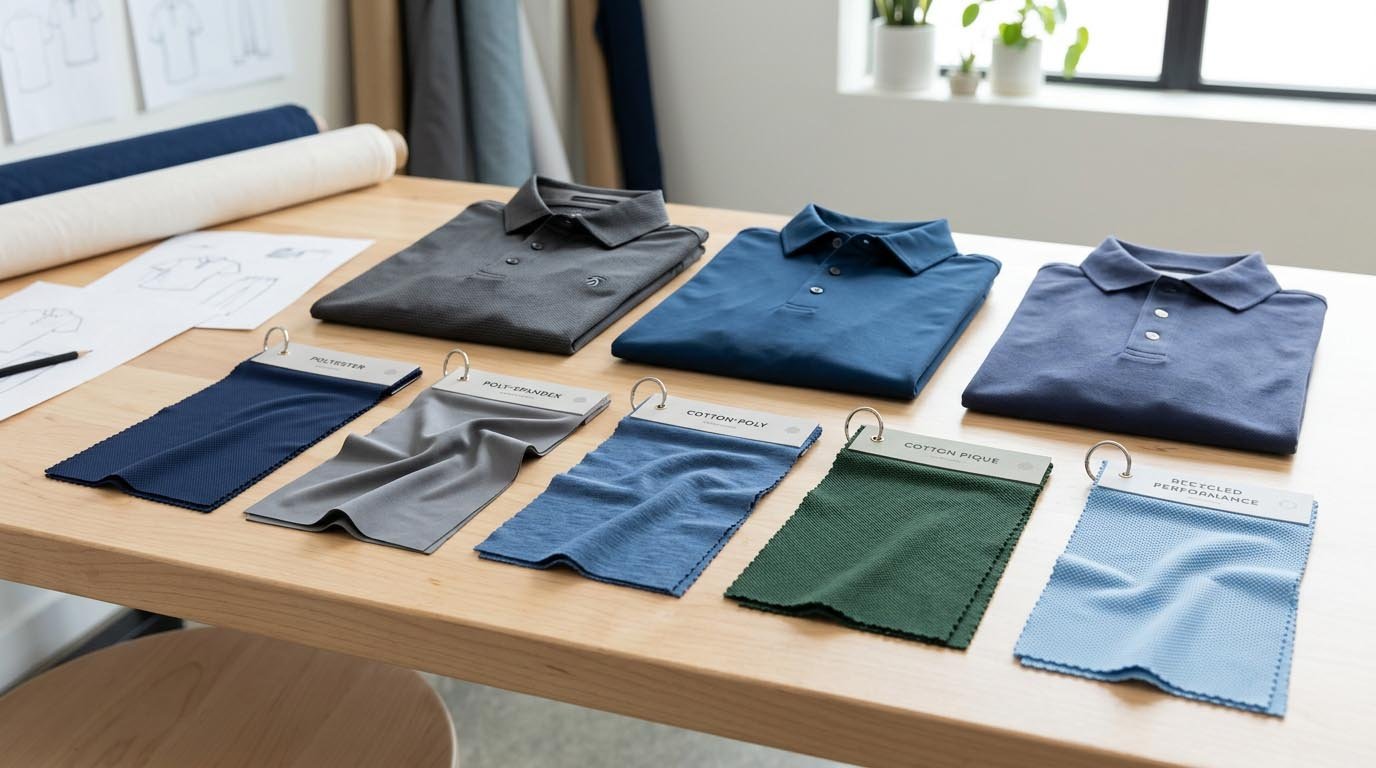
Fabric is one of the most important decisions in custom golf shirt design. It affects comfort, appearance, performance, and cost.
Common fabric options
| Fabric Type | Best For | Main Advantages | Main Limitations |
|---|---|---|---|
| Polyester | Performance golf shirts | Moisture management, durability, easy care | Less natural hand feel |
| Polyester-Spandex Blend | Athletic golf polos | Stretch, movement, comfort | Higher cost than basic polyester |
| Cotton-Poly Blend | Classic or casual polos | Softer touch, balanced performance | Slower drying than performance polyester |
| Cotton Pique | Traditional golf polos | Natural feel, classic texture | Less moisture-wicking |
| Recycled Performance Fabric | Sustainable collections | Eco positioning, performance features | Material cost may be higher |
What fabric weight works best?
Golf polos are often developed in light to medium weights, depending on climate and brand positioning.
- lighter weights work well for hot weather and active movement
- medium weights are suitable for year-round use
- heavier options may feel more premium but can be less suitable for hot climates
Performance features buyers often request
- moisture-wicking
- quick-dry finish
- stretch
- UV protection
- anti-odor treatment
- wrinkle resistance
For most first collections, a performance polyester or polyester-spandex blend is a practical starting point because it balances comfort, function, and cost.
Step 3: Select the Right Fit and Size Range
A golf shirt can look very different depending on the fit. Even with the same fabric and logo, cut and sizing strongly affect how the product is perceived.
Common fit options
Classic fit
A more traditional shape with extra room through the chest and body. Often chosen for clubs, older customer groups, and broader commercial appeal.
Athletic fit
A cleaner silhouette with a more body-conscious cut, often preferred by brands targeting active or younger golfers.
Slim fit
A more fashion-oriented option that works for lifestyle-focused collections, but may not suit all customer groups.
Fit details to confirm
- body length
- chest width
- shoulder width
- sleeve length
- cuff opening
- hem shape
- side vent construction
- collar height
- placket length
Men's and women's patterns should not be the same
For mixed collections, separate pattern development usually gives better results than simply scaling one fit type up or down. Women's golf polos often require different shaping through the shoulder, waist, hip, and sleeve.
If sizing is unclear, ask the manufacturer to compare your target measurements with an existing reference fit before sampling begins.
Step 4: Plan Colors, Logo Placement and Visual Identity
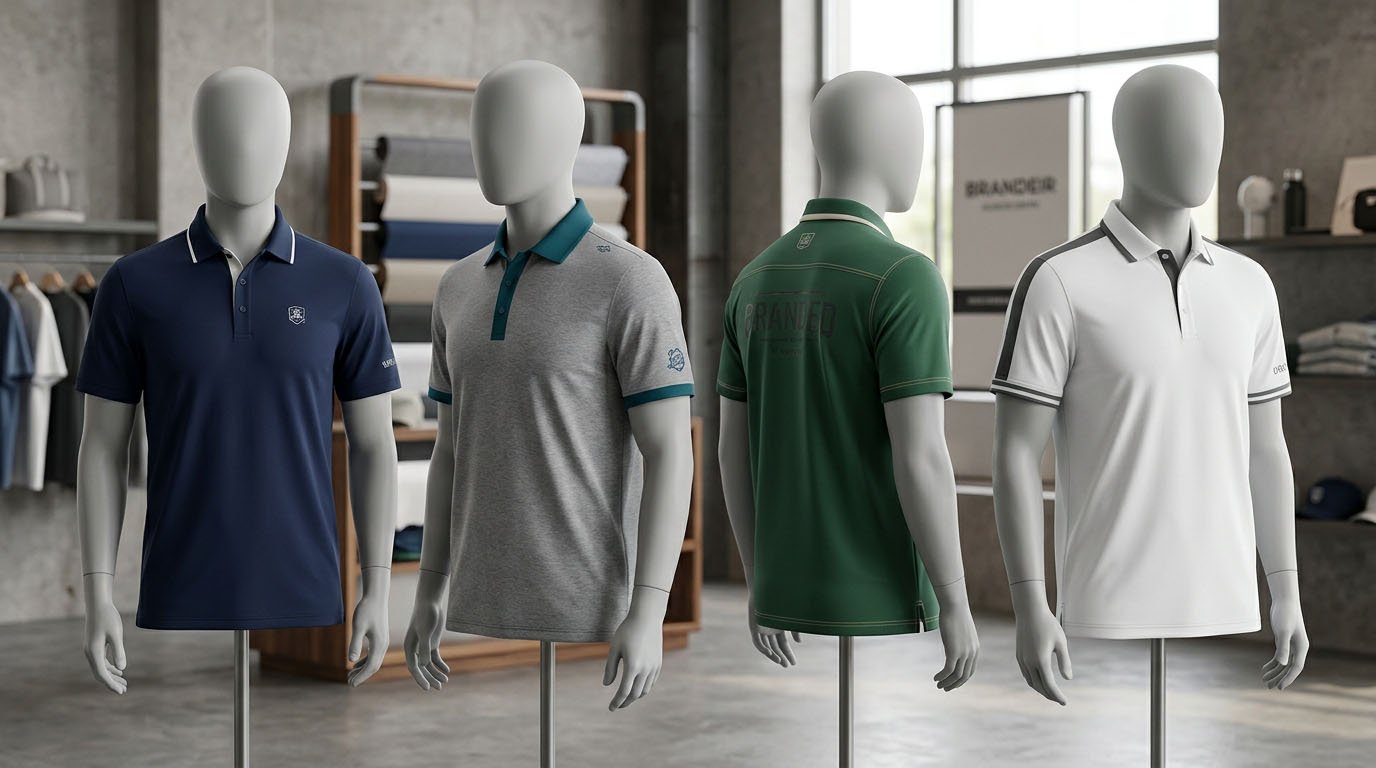
Once the product structure is clear, move to the visual side of the design.
Keep the design easy to recognize
Most successful golf shirt designs use:
- one main body color
- one secondary accent color
- a controlled use of contrast
- clear logo hierarchy
A design does not need to be loud to stand out. Often, simple and well-placed branding works better than adding too many graphic elements.
Common logo placements for golf shirts
| Placement | Typical Use | Style Effect |
|---|---|---|
| Left chest | Brand logo, club logo | Classic and versatile |
| Right chest | Sponsor or secondary logo | Balanced commercial look |
| Sleeve | Event or collection marking | Clean accent placement |
| Back neck | Minimal branding | Modern athletic look |
| Full back | Promotional or event design | Bold visual impact |
Tips for better golf shirt design
- Use 2 to 3 main colors for a cleaner look
- Keep chest logos at a wearable scale
- Match logo size to shirt size proportion
- Avoid placing too many graphics on the front
- Use contrast carefully on collars, plackets, and sleeve edges
- Make sure branding still looks good when the shirt is tucked or untucked
If the shirt is for retail, keep the design commercially wearable. If it is for a tournament or event, more visible branding may be acceptable.
Step 5: Choose Between Embroidery, Printing and Other Decoration Methods
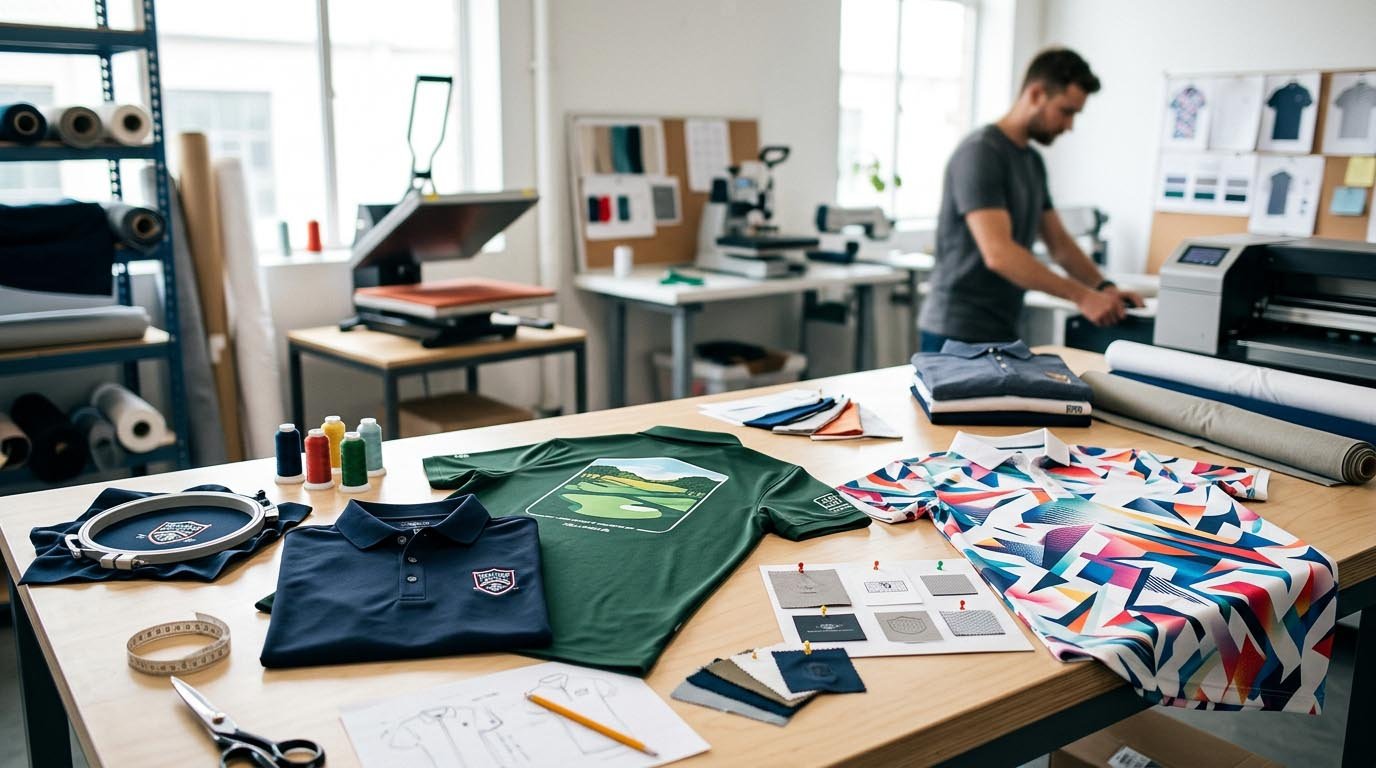
The decoration method changes both the look and the cost of the golf shirt.
Embroidery
Embroidery is commonly used for:
- left chest logos
- sleeve logos
- club or corporate identity
- premium retail branding
Advantages
- premium appearance
- strong durability
- professional look
Limitations
- less suitable for large graphics
- not ideal for very small detailed text
- may add more cost than printing
Screen printing
Screen printing is often used for:
- larger graphics
- event shirts
- back logos
- higher-volume orders
Advantages
- efficient for simpler artwork
- good color impact
- cost-effective in larger quantities
Limitations
- setup is less efficient for very small runs
- not ideal for highly detailed photographic artwork
Heat transfer
Heat transfer is often chosen for:
- complex multi-color logos
- small to medium runs
- names and numbers
- test projects
Advantages
- flexible for detailed artwork
- good for lower quantities
Limitations
- durability may vary by material and process
- finish may feel different from embroidery or screen printing
Sublimation
Sublimation is popular for:
- all-over printed golf polos
- tournament apparel
- highly customized teamwear
Advantages
- excellent for bold patterns
- color becomes part of the fabric on suitable materials
- useful for full-shirt customization
Limitations
- usually works best on polyester-based light-colored fabric
- not every brand wants an all-over printed look
Which method is best?
- Choose embroidery for premium chest logos
- Choose screen printing for simpler larger graphics
- Choose heat transfer for flexibility and detailed artwork
- Choose sublimation for all-over designs and strong visual impact
Step 6: Prepare a Tech Pack for Your Manufacturer
A clear tech pack helps reduce mistakes during sampling and production.
A basic golf shirt tech pack should include:
- front and back sketches
- logo placement details
- artwork files
- measurement chart
- fabric information
- collar and placket details
- stitching notes
- label requirements
- packaging instructions
- color references
Files to prepare before contacting a factory
Try to have these ready:
- vector logo files
- brand colors
- reference product photos
- size chart direction
- target order quantity
- preferred decoration method
- packaging expectation
The clearer the file package is, the faster a manufacturer can quote and sample the project.
Step 7: Develop and Review Samples Carefully
Sampling is the stage where the design becomes a real garment. This is where many mistakes are caught before bulk production.
What to review on a golf shirt sample
Check these points carefully:
- fabric hand feel
- thickness and stretch
- collar shape
- placket finish
- logo placement
- stitching quality
- fit on body
- length and balance
- sleeve shape
- color appearance under natural light
Why sampling matters
A digital drawing may look correct, but once the shirt is sewn, issues often appear in:
- collar proportion
- logo scale
- sleeve width
- body length
- fabric drape
- overall brand feel
If possible, test the sample in actual wear conditions, especially for movement, comfort, and moisture performance.
Step 8: Move from Sample Approval to Bulk Production
After the sample is confirmed, the order can move into bulk production.
Bulk production typically includes:
- fabric sourcing
- color confirmation
- cutting
- sewing
- logo application
- finishing
- packing
- final inspection
What buyers should confirm before production starts
- approved sample reference
- final measurement tolerance
- logo method and placement
- color confirmation
- label content
- packing method
- carton details
- shipping marks
A large share of production problems comes from incomplete approval before manufacturing begins.
Common Mistakes in Custom Golf Shirt Design
Many first-time buyers make similar mistakes. Avoiding them can save both time and cost.
1. Choosing fabric based only on price
Cheap fabric may reduce cost, but it can also affect comfort, appearance, and customer satisfaction.
2. Using too many design elements
Too many colors, panels, prints, or logos can make the shirt look busy and less premium.
3. Ignoring fit development
A good logo cannot fix a poor fit. Fit is often what makes a golf shirt feel premium or generic.
4. Oversized chest logos
Large logos on the chest can reduce wearability, especially for retail collections.
5. Skipping sample revisions
Approving too early may create avoidable problems in bulk production.
6. Not preparing proper artwork files
Low-quality files often create delays and decoration problems.
7. Forgetting packaging and labels until the end
These details affect both timing and final presentation.
Custom Golf Shirts vs Custom Golf Polo Shirts
In many markets, the terms golf shirts and golf polo shirts are used interchangeably. However, "golf polo shirt" is often the more precise search term when the product includes:
- collar
- placket
- short sleeves
- polo-style structure
If your product is specifically a polo, it is useful to include both terms in your content so the page can match more search variations.
OEM vs Private Label Golf Shirts
Some buyers want a fully custom product, while others simply want to add branding to an existing style.
| Option | Meaning | Best For | Customization Level |
|---|---|---|---|
| OEM | Product made to buyer specification | Established brands, unique product plans | High |
| Private Label | Existing base style with custom logo and packaging | New brands, faster launch | Medium |
| Stock Program | Ready-made products with limited branding | Events, small test runs | Low |
Choose OEM if:
- you want your own fit and design details
- product differentiation matters
- you plan long-term development
Choose private label if:
- speed matters more than originality
- budget is more limited
- you want to test the market first
What Affects the Cost of Custom Golf Shirts?
The final cost usually depends on several factors:
- fabric type
- fabric weight
- stretch content
- number of colors
- embroidery or print method
- collar and placket complexity
- label and packaging details
- order quantity
- whether new patterns are needed
When comparing suppliers, look at the total project structure rather than only the unit price. A slightly higher quote may include better fabric, stronger construction, or clearer quality control.
FAQ: How to Design Custom Golf Shirts
How do I design my own golf shirts?
Start by defining your target customer, then choose fabric, fit, colors, logo placement, and decoration method. After that, prepare a tech pack, request samples, revise details, and approve the final version before bulk production.
What fabric is best for golf polo shirts?
For many projects, polyester or polyester-spandex performance fabrics are the most practical choice because they offer moisture management, flexibility, and easy care.
What is the MOQ for custom golf polo shirts?
MOQ depends on the complexity of the design and the supplier's production model. Simpler private label projects often allow lower MOQs than fully custom OEM developments.
Should golf shirts use embroidery or printing?
Embroidery is commonly used for small premium logos, while printing is more suitable for larger graphics or more complex artwork.
How long does custom golf shirt production take?
A typical project may take several weeks from design confirmation to shipment, depending on sampling, material lead time, quantity, and production scheduling.
Can I make custom golf shirts for a small brand?
Yes. Many small brands start with a limited collection, simpler design details, and a smaller number of colorways before expanding into more complex custom programs.
Supplier Checklist Before Starting a Custom Golf Shirt Project
Before choosing a manufacturer, ask:
- What fabrics do you recommend for golf polos?
- Can you support both embroidery and printing?
- What is your MOQ for custom golf shirts?
- Can you help create or review a tech pack?
- How many sample rounds are included?
- How do you control sizing consistency in production?
- Can you match brand colors accurately?
- What labels and packaging can be customized?
- What is the realistic lead time for sampling and bulk production?
- How do you handle quality problems before shipment?
Clear answers to these questions help reduce development risk and improve communication during the project.
Final Thoughts
To design custom golf shirts successfully, focus on the basics first: purpose, fabric, fit, visual balance, decoration method, and sample approval. Once these are handled well, production becomes much easier to manage.
The strongest golf shirt designs usually combine:
- wearable performance
- clear brand identity
- practical manufacturing choices
- consistent fit and finishing
Whether the project is for a retail brand, golf club, event, or corporate team, a structured process will help create a shirt that looks professional, feels right to wear, and is easier to reproduce in future orders.